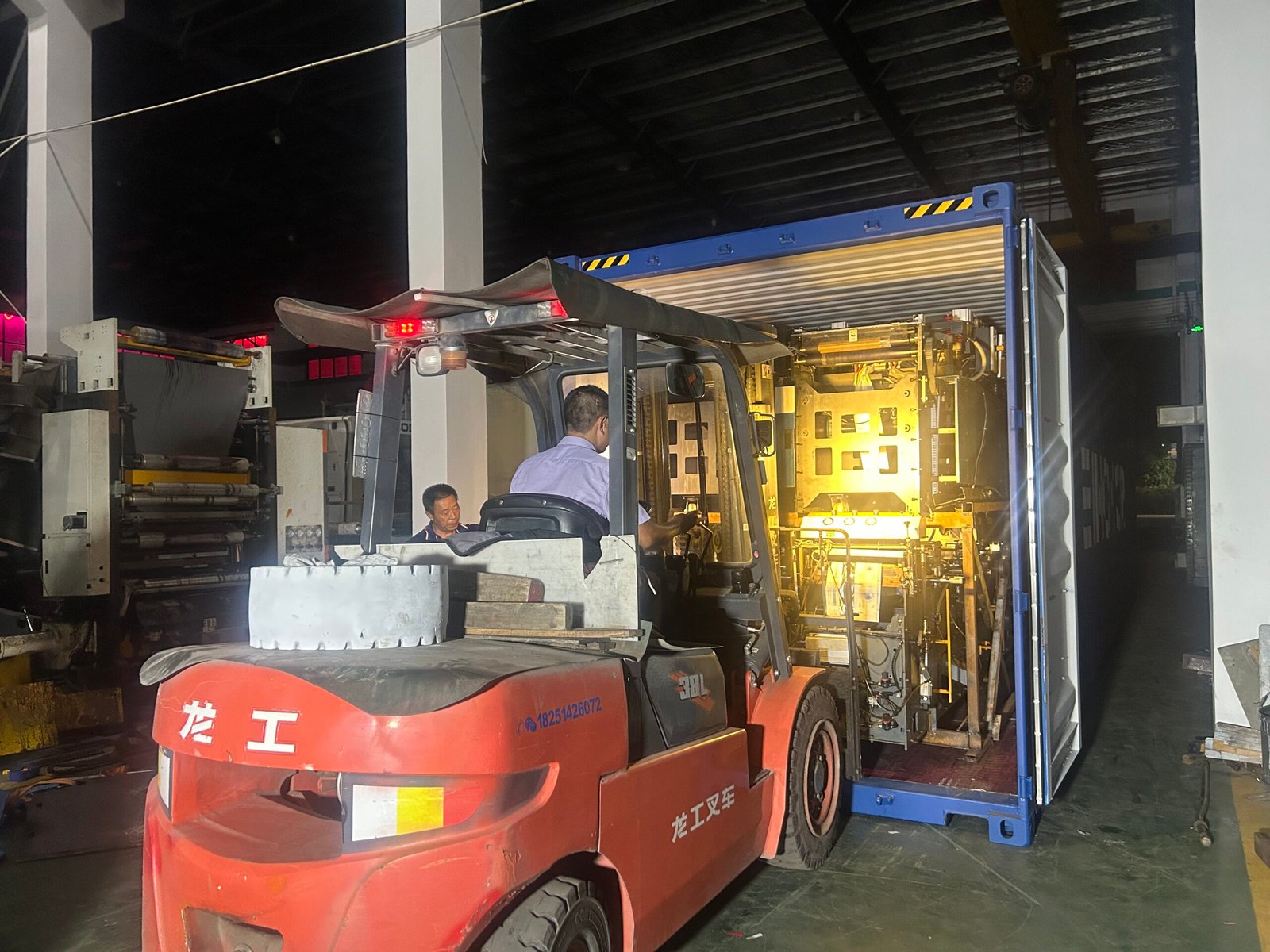
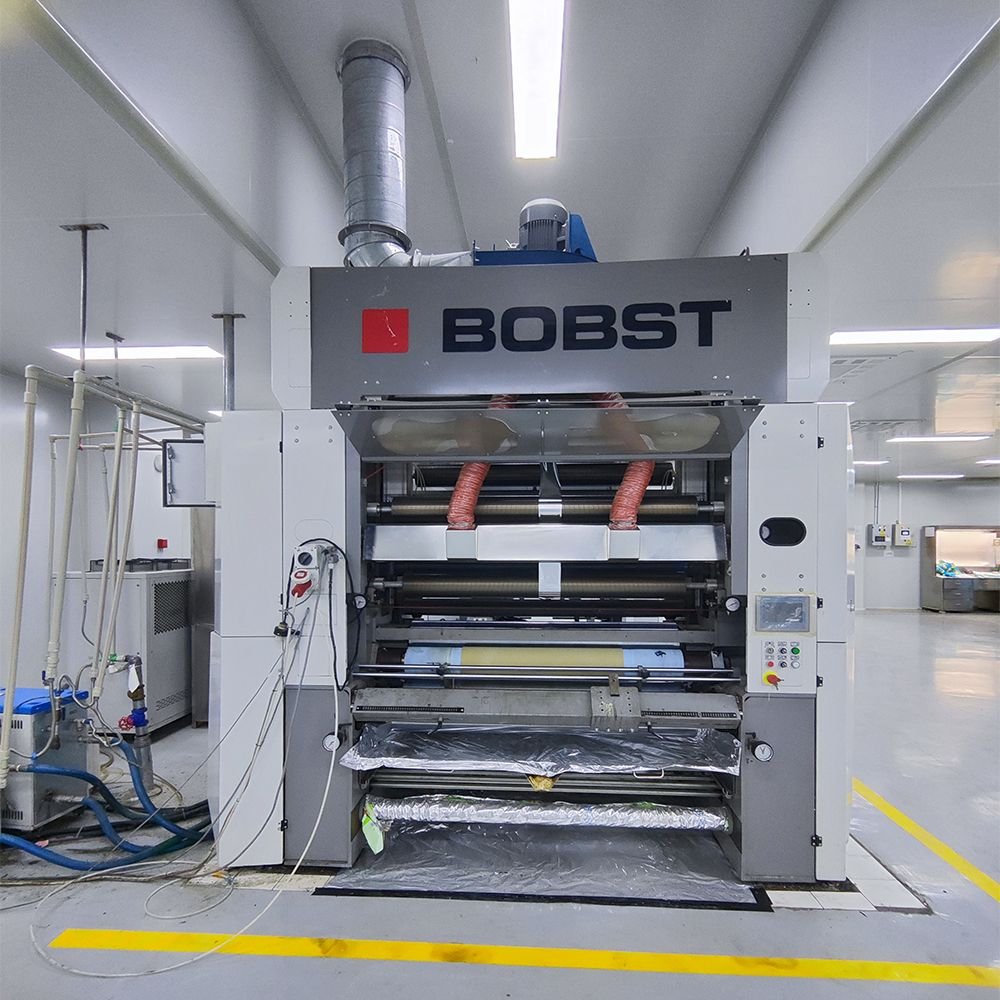
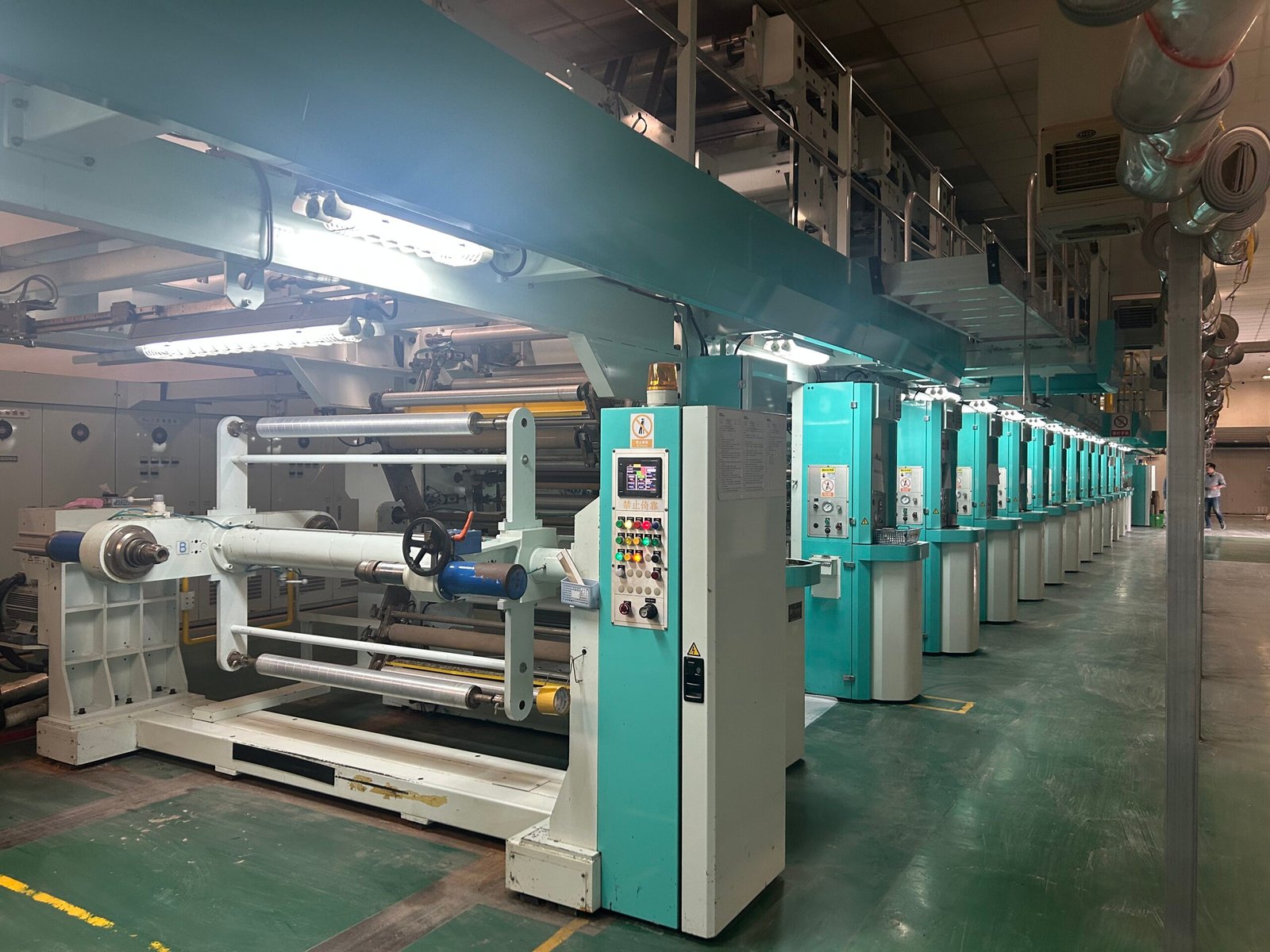
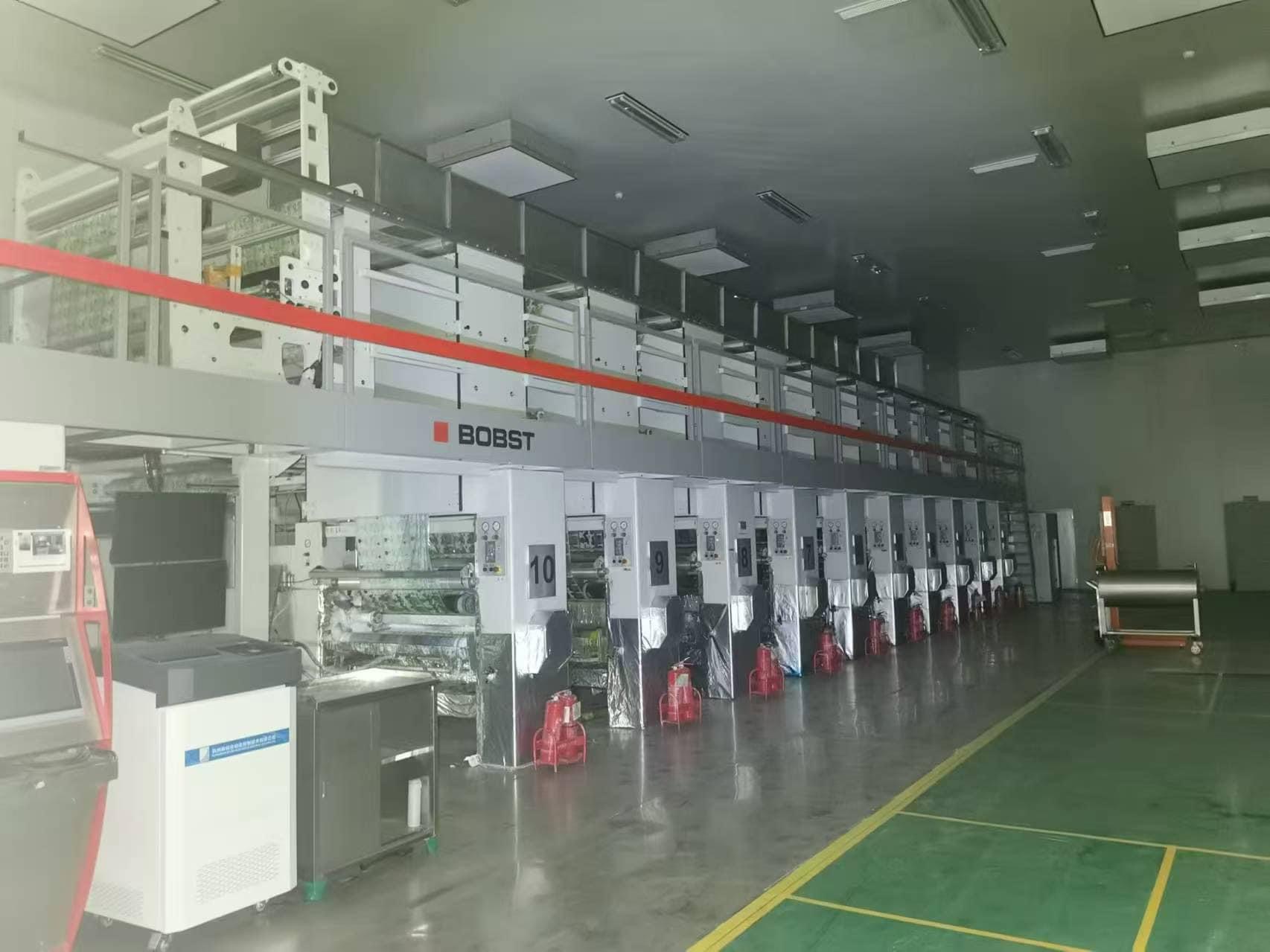
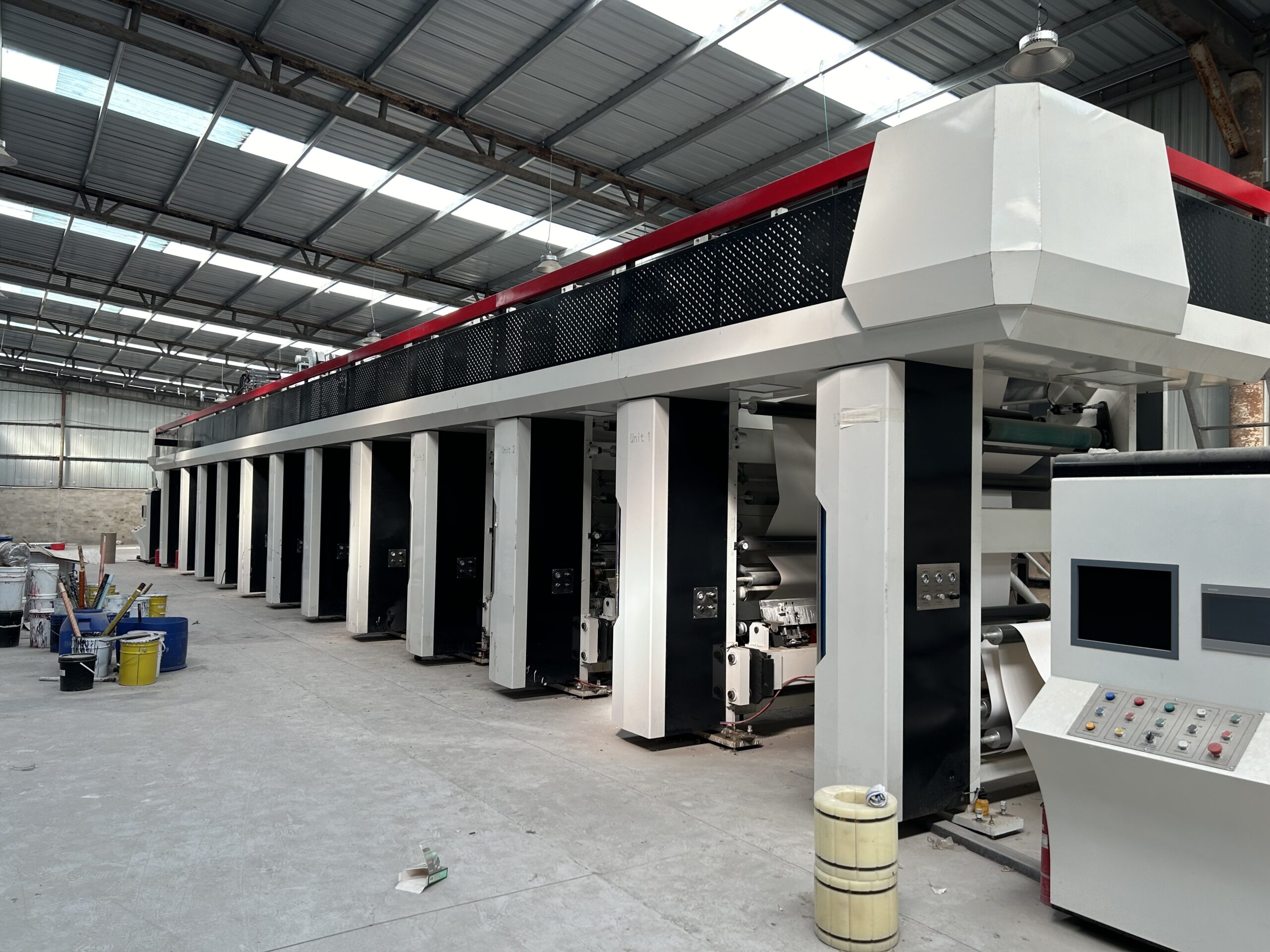
Shipping a used machine to Indonesia is not simply a matter of booking a container and preparing an invoice.
In a recent used packaging machinery project to Indonesia, we were reminded again that much of the important work begins long before the container arrives at the factory.
For used machinery, several things need to move together:
the machine, the import approval, the pre-shipment inspection, the documents and the vessel schedule.
If one part changes, the rest of the shipment may need to be checked again.
What Is BMTB in Indonesia?
In Indonesia, used capital goods are commonly referred to as BMTB — Barang Modal Dalam Keadaan Tidak Baru.
In simple terms, BMTB refers to capital goods imported in used condition that are still suitable for use, reconditioning, remanufacturing or reuse.
Indonesia regulates the import of BMTB, so used machinery cannot simply be shipped in the same way as ordinary unrestricted cargo.
Depending on the machine category, HS classification and importer arrangement, the importer may need an Import Approval (Persetujuan Impor / PI) and a Surveyor Report (Laporan Surveyor / LS).
This is why, before discussing the vessel or loading date, one of the first questions should be:
Does this specific machine match the buyer’s approved import arrangement?
For machinery, this may involve checking details such as:
- machine description
- HS code
- year of manufacture
- quantity
- importer information
- applicable machine category
- validity period of the import approval
The important point is that there is no single answer that applies to every used machine.
The actual requirements depend on the machine and the import arrangement.
Import Approval Should Be Checked Before Shipment Planning
When we handle a used machinery project to Indonesia, we prefer to confirm the buyer’s import arrangement before making the final shipment plan.
This becomes especially important when several machines are involved.
The quantity shown in the import approval, the actual machinery being shipped, the invoice, packing list, inspection documents and shipping documents all need to be considered together.
In a recent project, the commercial transaction involved more than one pouch making machine.
The machines themselves were already clear.
But once we moved into the import and shipment stage, the discussion became much more detailed.
We had to consider:
- how many machines were actually being shipped
- how the machines were described
- which HS code was being used
- which company appeared on the commercial documents
- what information was required for inspection
- what information needed to appear on the shipping documents
At this stage, a machinery transaction is no longer only about machine specifications and price.
It becomes a coordination process between the machine, the documents and the import requirements.
Pre-Shipment Inspection for Used Machinery
Pre-shipment inspection is another important part of many BMTB shipments to Indonesia.
For machinery subject to the surveyor requirement, the inspection is carried out before shipment by an approved surveyor.
The Indonesian authorities currently list several surveyors for BMTB imports, including:
- PT Superintending Company of Indonesia (Sucofindo)
- PT Surveyor Indonesia
- PT Anindya Wiraputra Konsult
- PT Tribhakti Inspektama
In actual projects, the Indonesian importer normally coordinates the inspection arrangement with the relevant surveyor.
From the supplier side in China, our job is to make sure the machine and supporting information are ready for inspection.
The surveyor may verify information such as:
- machine type
- model
- year of manufacture
- quantity
- technical specifications
- identification or nameplate
- HS classification information
- general machine condition
The actual requirements may vary depending on the machinery and the inspection arrangement.
For this reason, it is better to prepare the machine information early instead of waiting until the container has already been booked.
What We Usually Prepare from the China Side
Before inspection and shipment, we normally organize the machine and shipping information first.
This may include:
- Machine model and year
- Quantity
- Technical specifications
- HS code information
- Commercial invoice
- Packing list
- Machine photos
- Nameplate photos
- Inspection location
- Loading port
- Destination port
- Draft B/L information
- Expected loading schedule
The key point is not simply to prepare a set of documents.
The documents should correspond to the actual machine being inspected and shipped.
For used machinery, this is especially important because every machine has its own history.
Two machines may have the same model but different years, serial numbers, configurations or conditions.
That is why photos, nameplates and machine identification details can become important during the inspection process.
The Vessel Schedule Is More Important Than It Looks
One part of used machinery shipments that is often underestimated is the vessel schedule.
When people discuss shipment, the first question is often:
When can the machine be loaded?
But for a regulated used machinery import, that is only one date in the whole process.
A more useful timeline is:
Import Approval → Inspection → Loading → ETD → Transit Time → ETA
ETD means the expected departure date.
ETA means the expected arrival date.
Both dates matter when an import approval has a limited validity period.
A project may appear to have enough time when the booking is first made.
But shipping schedules can change.
The vessel may be delayed.
The ETD may move.
A transshipment may take longer than expected.
Port congestion may affect the arrival date.
For ordinary cargo, this may simply mean that the customer receives the goods later.
For used machinery imported under a specific approval, the timing can become much more sensitive.
A Real Situation from a Recent Indonesia Shipment
We recently experienced exactly this situation in one of our Indonesia projects.
The machines had already been prepared.
The pre-shipment inspection had been completed.
The loading plan was ready.
According to the original vessel schedule, the timing looked workable.
Then the vessel schedule changed.
The departure date became later than originally planned.
Suddenly, the remaining time between shipment and the expiry of the buyer’s used machinery import approval became much tighter.
The machine did not change.
The documents did not suddenly change.
But the time available for the import process changed.
That was the moment when the vessel schedule stopped being only a logistics issue.
It became part of the import planning itself.
This experience made us pay even more attention to ETD and ETA when dealing with used machinery projects.
Do Not Look Only at the Loading Date
For used machinery shipments, we now prefer to look at the complete timeline before finalizing the booking.
That means checking:
- inspection date
- loading date
- ETD
- transit time
- possible transshipment
- ETA
- import approval validity
- possible vessel delay
No shipping schedule can be guaranteed completely.
Delays can happen.
The purpose of checking these dates is not to predict every possible problem.
It is to understand how much time margin the shipment actually has.
If the permit validity is already tight before the machine is loaded, even a small vessel delay can create unnecessary pressure later.
For used machinery, the shipping schedule should be considered before the container reaches the factory, not after it leaves.
Documents and the Actual Cargo Need to Match
Another practical issue in used machinery exports is document consistency.
A typical shipment may involve several documents:
- Sales Contract
- Commercial Invoice
- Packing List
- Export Customs Declaration
- Bill of Lading
- Inspection Documents
- Import Approval
- Surveyor Report
These documents may be prepared for different purposes, but they are all connected to the same physical shipment.
The actual machine quantity, machine description and transaction details should therefore be handled carefully.
In international trade, the importing country and exporting country may sometimes use different HS classifications or documentation systems.
That can happen.
But differences between systems should not be confused with changing the actual cargo.
From the exporter’s side, our documents still need to reflect the real transaction and the machinery being shipped.
From the importer’s side, the buyer also needs to make sure the import documents meet local requirements.
The goal is not simply to make one document work. The goal is to make the whole shipment work.
Why Communication Between Different Parties Matters
A used machinery shipment to Indonesia may involve more parties than people initially expect.
These can include:
- the buyer
- the machinery supplier
- the surveyor
- the freight forwarder
- the shipping line
- customs representatives
- the buyer’s import team
Each party may focus on a different part of the shipment.
The surveyor focuses on inspection.
The freight forwarder focuses on the vessel and container.
The importer focuses on the import approval and customs requirements.
The supplier focuses on the machine and export documents.
The difficulty comes when one change affects several parties at the same time.
For example, a vessel delay may appear to be the freight forwarder’s issue.
But if the import approval is close to expiry, the importer also needs to know immediately.
This is why communication is important throughout the project.
Every Country Has Different Rules for Used Machinery
Indonesia is only one example.
Different countries treat used machinery very differently.
Some countries focus strongly on:
- machine age
- pre-shipment inspection
- import permits
- technical standards
- HS codes
- environmental requirements
- machinery condition
Other markets may have fewer restrictions.
Some may have completely different procedures.
This is why we do not assume that a shipment process used for one country can simply be copied to another.
A used packaging machine exported to Indonesia may require one process.
The same machine exported to Vietnam may require another.
A project for the Middle East or Africa may be different again.
The machine may be the same, but the import environment is not.
What We Learned from This Project
For us, the most useful lesson from this Indonesia project was not about the machine itself.
It was about coordination.
The machine, inspection, documents, permit and vessel schedule were all connected.
A change in one part could affect the others.
This is also one of the differences between selling used machinery and simply selling a standard new product.
Every used machine has its own:
- year
- condition
- configuration
- identification
- loading requirements
- documentation history
And every destination country may have its own import requirements.
That means there is rarely a completely standard shipment.
Final Thoughts
Shipping used machinery to Indonesia requires more preparation than simply getting the equipment ready for loading.
The importer needs to confirm that the machinery fits the applicable import requirements.
The machine may need to complete pre-shipment inspection.
The commercial and shipping documents need to correspond with the actual cargo.
And the vessel schedule needs to leave enough time for the import process.
For us, one sequence has become especially important:
Import Approval → Inspection → Loading → ETD → Transit Time → ETA
Each step affects the next.
When these elements are considered together from the beginning, the shipment becomes much easier to manage.
For used machinery, the real preparation starts long before the container arrives at the factory.
Note: Indonesian import regulations, HS classifications, equipment eligibility and permit requirements may change and may differ by machinery category and importer status. Importers should always confirm the latest requirements with the relevant Indonesian authorities, appointed surveyor and customs or import representative before shipment.